New paintings · Washington, DC · September 2026

Game Changers

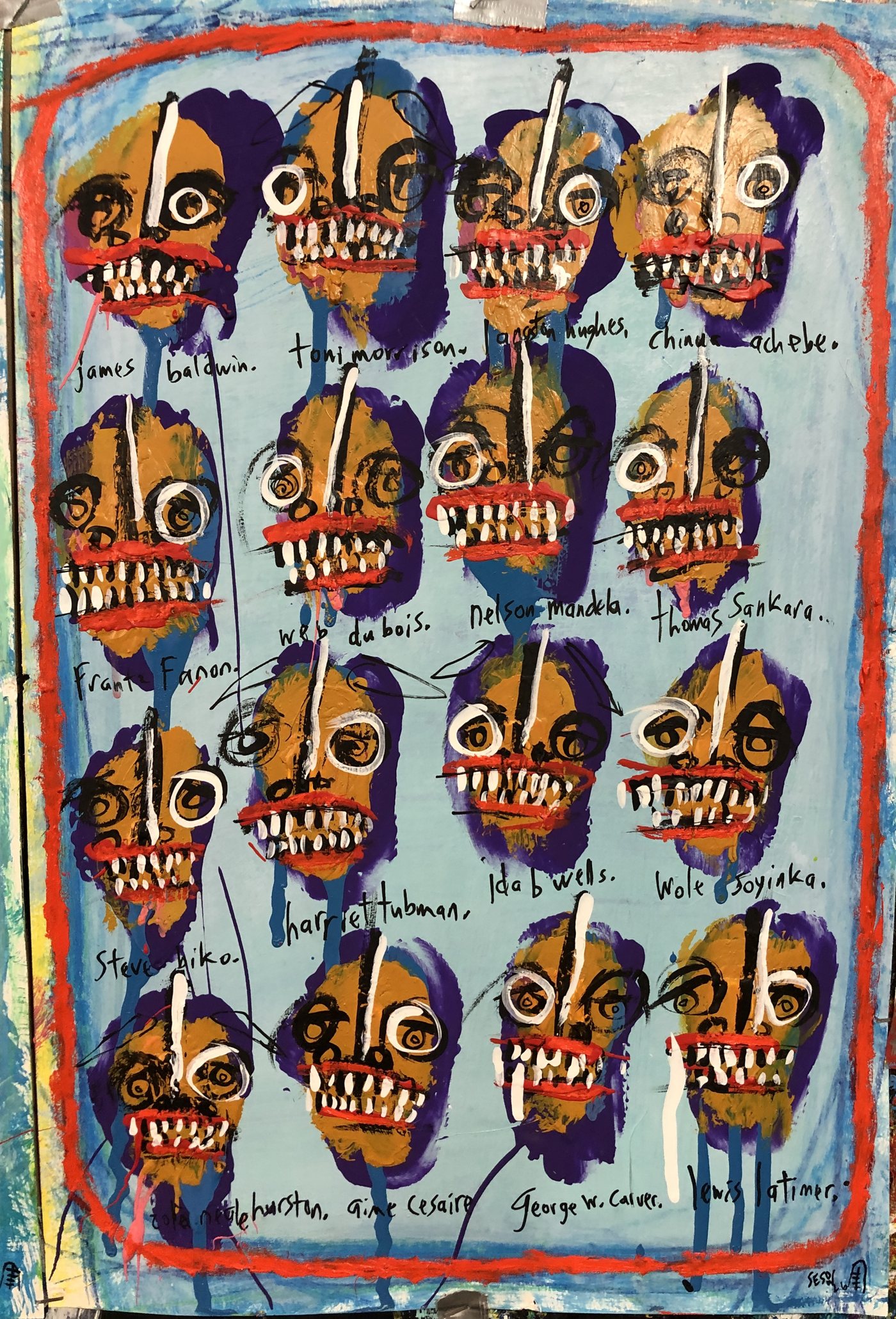
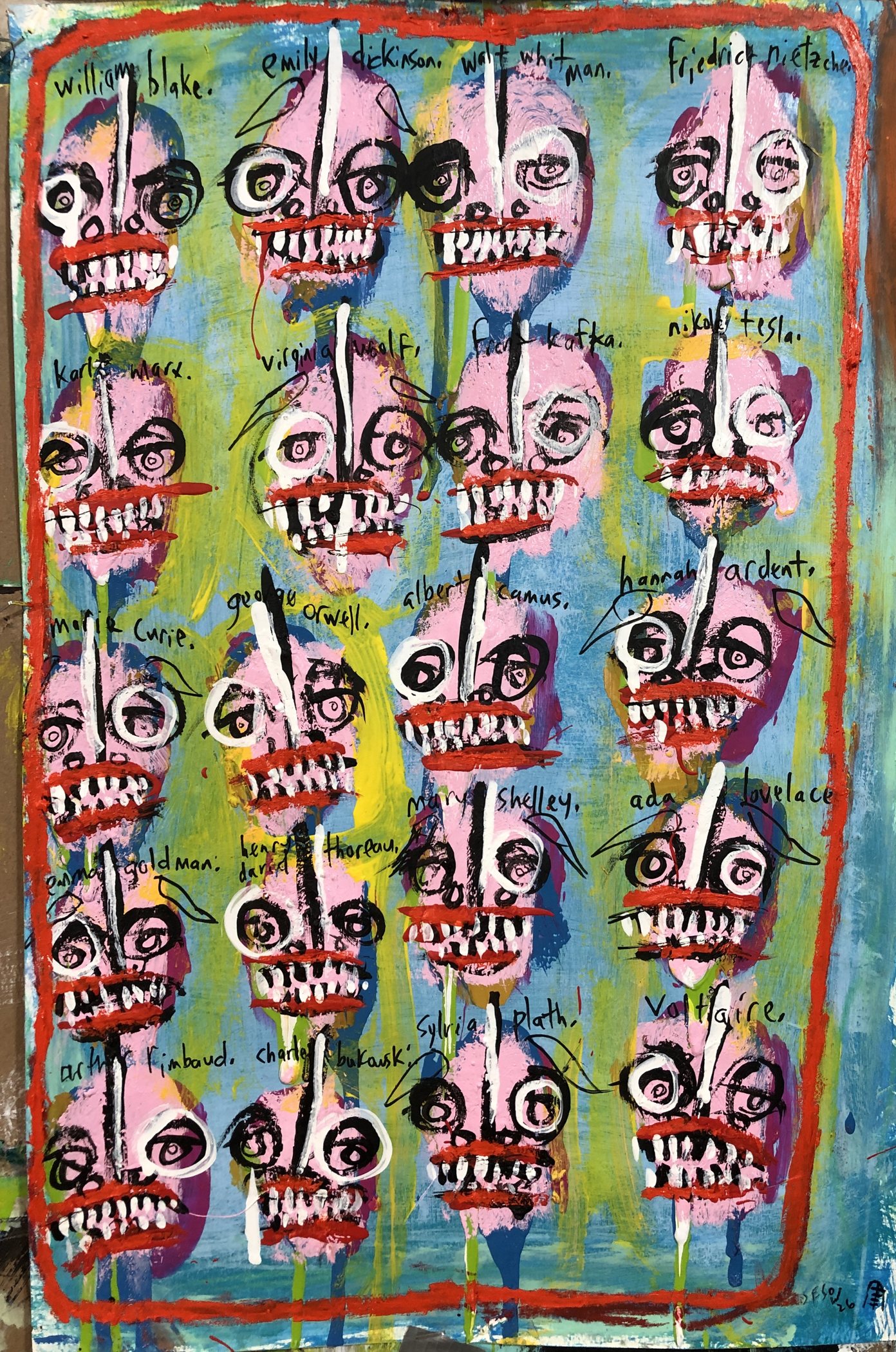
Two new paintings by Matt Sesow: thirty-six heads, thirty-six names, painted with teeth bared and eyes wide open. The heads are not likenesses — each name is an assignment. Below, the real people behind every name, with links to read more.

Matt Sesow · 2026 · 20 heads

Game Changers

Twenty poets, philosophers, scientists and troublemakers from Europe and America — the people who changed the rules of the game.

Tap a head to meet who it stands for.

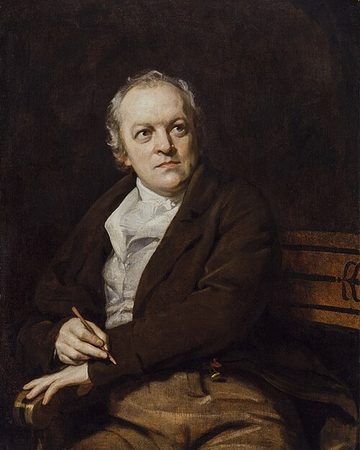
Portrait of William Blake
Photo: Thomas Phillips · Public domain

william blake.

William Blake

1757–1827 · Poet, painter, printmaker, visionary

Blake invented his own way of printing, etching poems and pictures together and hand-coloring each copy with his wife, Catherine. Songs of Innocence and of Experience gave us “The Tyger.” Mostly ignored in his lifetime, he is now the patron saint of self-taught visionaries.

Studio mark tiger — Songs of Experience

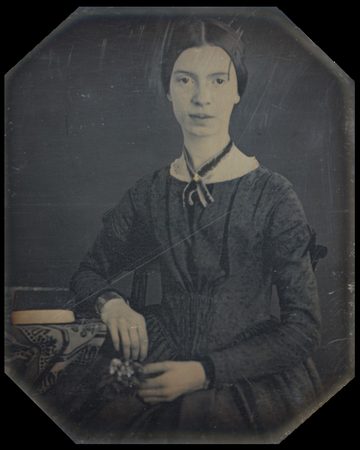
Portrait of Emily Dickinson
Photo: Unknown · Public domain

emily dickinson.

Emily Dickinson

1830–1886 · Poet

Dickinson wrote nearly 1,800 poems in her room in Amherst, Massachusetts, and published fewer than a dozen while she lived. Her dashes, slant rhymes and compressed lines were so far ahead that editors “fixed” them for decades. She was also a serious gardener.

Studio mark bee — the garden and the dash

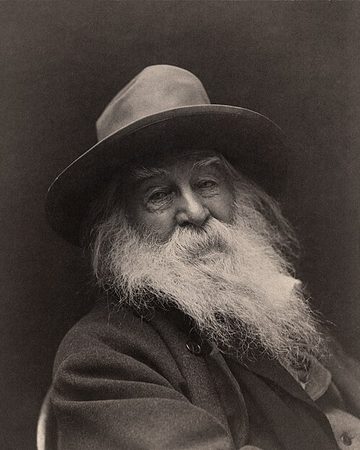
Portrait of Walt Whitman
Photo: George Collins Cox / Adam Cuerden · Public domain

walt whitman.

Walt Whitman

1819–1892 · Poet of democracy

Whitman self-published Leaves of Grass in 1855 and kept rewriting it for the rest of his life. Its long, open free verse — “I contain multitudes” — broke American poetry out of its corset.

Studio mark grass — Leaves of Grass

DC thread Lived in DC for a decade: nursed wounded soldiers in the Civil War hospitals and worked as a government clerk.

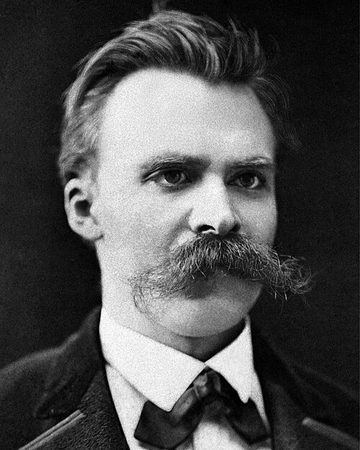
Portrait of Friedrich Nietzsche
Photo: Friedrich Hermann Hartmann · Public domain

friedrich nietzsche.

Friedrich Nietzsche

1844–1900 · Philosopher

A professor at 24, Nietzsche left academia to write Thus Spoke Zarathustra, Beyond Good and Evil and Twilight of the Idols, or How to Philosophize with a Hammer. “God is dead” was his diagnosis, not his celebration. He collapsed in 1889 and never wrote again.

Studio mark hammer — philosophize with a hammer

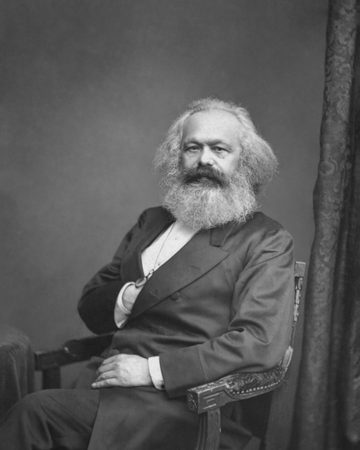
Portrait of Karl Marx
Photo: John Jabez Edwin Mayall · Public domain

karl marx.

Karl Marx

1818–1883 · Philosopher, economist

With Friedrich Engels, Marx wrote The Communist Manifesto (1848); alone, he spent decades in the British Library writing Das Kapital. Few thinkers have been argued over, applied and misapplied as widely. He died in exile in London.

Studio mark beard — the manifesto

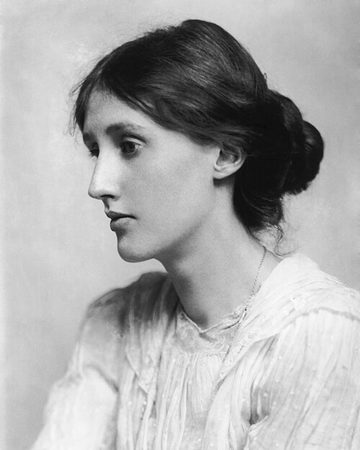
Portrait of Virginia Woolf
Photo: George Charles Beresford / Adam Cuerden · Public domain

virginia woolf.

Virginia Woolf

1882–1941 · Novelist, essayist

Woolf turned the novel inward, following thought as it actually moves in Mrs Dalloway and To the Lighthouse. With her husband Leonard she ran the Hogarth Press from their home. A Room of One’s Own argued that a woman needs money and a room to write.

Studio mark lighthouse — To the Lighthouse

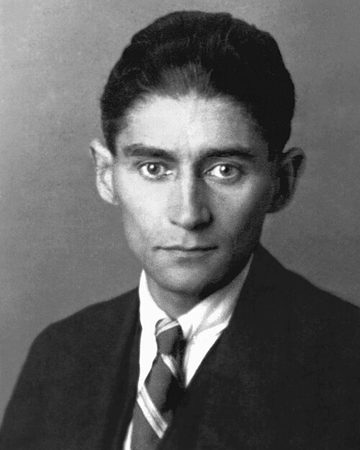
Portrait of Franz Kafka
Photo: Unknown · Public domain

franz kafka.

Franz Kafka

1883–1924 · Writer

An insurance lawyer in Prague who wrote at night, Kafka published little and asked his friend Max Brod to burn the rest. Brod refused, and we got The Trial and The Castle. The Metamorphosis — a man wakes up as an insect — gave the world the word “Kafkaesque.”

Studio mark insect — The Metamorphosis

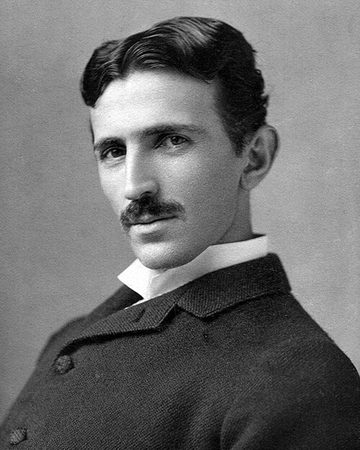
Portrait of Nikola Tesla
Photo: Napoleon Sarony · Public domain

nikola tesla.

Nikola Tesla

1856–1943 · Inventor, electrical engineer

Tesla’s alternating-current motor and power system, licensed to Westinghouse, is still how electricity reaches your wall. He built the Tesla coil and dreamed of wireless power for everyone. He died nearly broke in a New York hotel room; the unit of magnetic flux density bears his name.

Studio mark lightning — coil and current

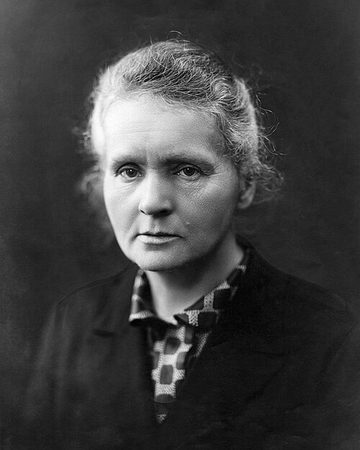
Portrait of Marie Curie
Photo: Henri Manuel · Public domain

marie curie.

Marie Curie

1867–1934 · Physicist, chemist

With Pierre Curie she discovered polonium and radium and coined the word “radioactivity.” She was the first woman to win a Nobel Prize, and is still the only person to win Nobels in two different sciences — Physics (1903) and Chemistry (1911). Her notebooks are still radioactive.

Studio mark flask — radium

Portrait of Albert Camus
Photo: United Press International · Public domain

albert camus.

Albert Camus

1913–1960 · Novelist, philosopher of the absurd

Raised poor in French Algeria, Camus wrote The Stranger, The Plague and The Myth of Sisyphus, which ends: “One must imagine Sisyphus happy.” He won the Nobel Prize at 44 and died in a car crash three years later.

Studio mark stone — Sisyphus

Portrait of Hannah Arendt
Photo: Barbara Niggl Radloff · CC BY-SA 4.0

hannah arendt.

Hannah Arendt

1906–1975 · Political philosopher

Arendt fled Nazi Germany, escaped an internment camp in France and reached New York in 1941. The Origins of Totalitarianism explained how it happened; reporting on the Eichmann trial, she coined “the banality of evil.” For her, thinking itself was a moral act.

Studio mark thought — thinking as an act

Portrait of Emma Goldman
Photo: Takuma Kajiwara · Public domain

emma goldman.

Emma Goldman

1869–1940 · Anarchist, orator, publisher

An immigrant garment worker who became the most famous radical speaker in America, Goldman fought for free speech, birth control and workers’ rights, and published the magazine Mother Earth. In 1919 the U.S. deported her to Russia; she was soon disillusioned there too.

Studio mark torch — anarchist fire

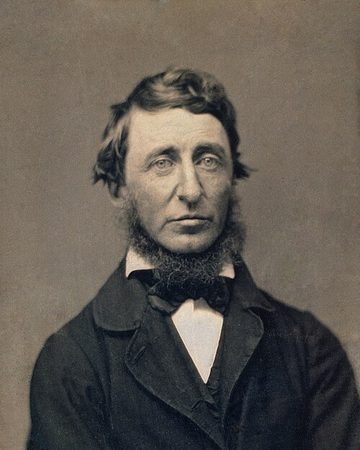
Portrait of Henry David Thoreau
Photo: Benjamin D. Maxham · Public domain

henry david thoreau.

Henry David Thoreau

1817–1862 · Naturalist, essayist

Thoreau built a cabin at Walden Pond and lived there two years to “live deliberately.” Walden (1854) is the result. After a night in jail for refusing to pay a tax that supported slavery and war, he wrote “Civil Disobedience” — later read by Gandhi and Martin Luther King Jr.

Studio mark cabin — Walden

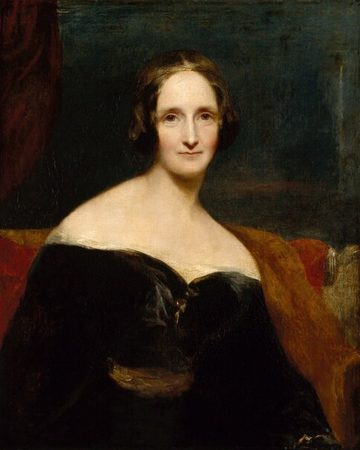
Portrait of Mary Shelley
Photo: Richard Rothwell · Public domain

mary shelley.

Mary Shelley

1797–1851 · Novelist

At 18, during a ghost-story contest with Lord Byron and Percy Shelley on Lake Geneva, Mary Shelley began Frankenstein; or, The Modern Prometheus. Published in 1818, it is often called the first science-fiction novel. Her mother was the feminist Mary Wollstonecraft.

Studio mark creature — Frankenstein

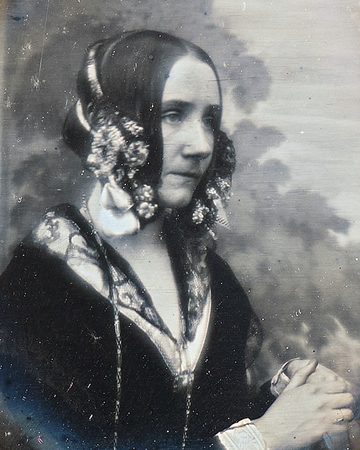
Portrait of Ada Lovelace
Photo: Antoine Claudet · Public domain

ada lovelace.

Ada Lovelace

1815–1852 · Mathematician, first programmer

Lord Byron’s daughter wrote notes on Charles Babbage’s Analytical Engine in 1843, including an algorithm often called the first computer program. She saw further than Babbage: the machine, she said, “weaves algebraic patterns just as the Jacquard loom weaves flowers and leaves” — and might one day compose music.

Studio mark loom — the engine notes

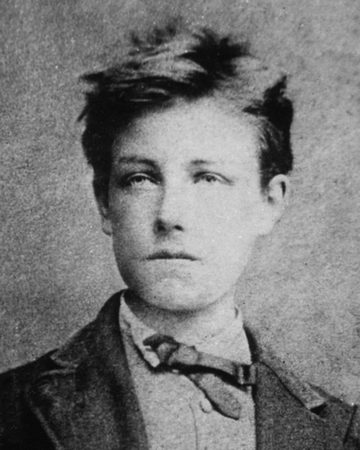
Portrait of Arthur Rimbaud
Photo: Étienne Carjat · Public domain

arthur rimbaud.

Arthur Rimbaud

1854–1891 · Poet

Rimbaud wrote “Le Bateau ivre” at 16, A Season in Hell at 18, and the Illuminations — then quit poetry around 21 and became a trader in Aden and Ethiopia. The whole of modern poetry is still catching up to his teenage years.

Studio mark boat — “Le Bateau ivre”

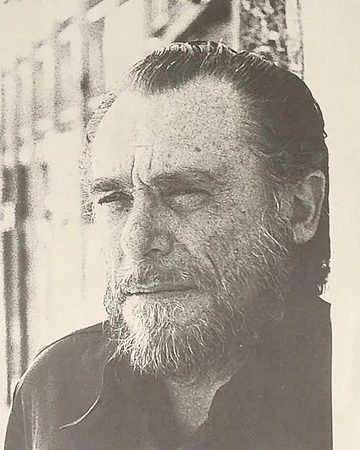
Portrait of Charles Bukowski
Photo: Richard Robinson · Public domain

charles bukowski.

Charles Bukowski

1920–1994 · Poet, novelist

Bukowski sorted mail for more than a decade before a small publisher paid him to quit at 49. Post Office, Ham on Rye and thousands of raw, funny, bar-stool poems followed. His gravestone says: “Don’t Try.”

Studio mark bottle — the bar and the typewriter

Studio thread: Sesow owns a bronze cast of CHANISKI, a small self-figure sculpted by Bukowski’s own hands and saved by poet and sculptor Linda King around 1971. golem.sesow.com

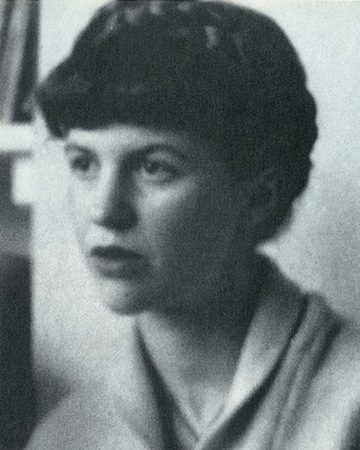
Portrait of Sylvia Plath
Photo: Giovanni Giovannetti/Grazia Neri · Public domain

sylvia plath.

Sylvia Plath

1932–1963 · Poet, novelist

Plath helped open the door to confessional poetry. The Bell Jar came out under a pseudonym in 1963, and Ariel was published after her death. In 1982 she became the first poet awarded a Pulitzer Prize posthumously.

Studio mark bell jar — The Bell Jar

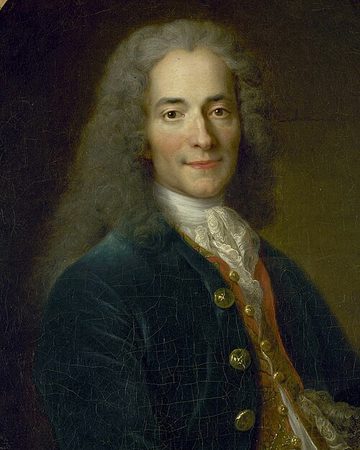
Portrait of Voltaire
Photo: Nicolas de Largillière · CC0

voltaire.

Voltaire

1694–1778 · Writer, philosopher of the Enlightenment

Born François-Marie Arouet, Voltaire was jailed in the Bastille, exiled, and never stopped writing — plays, histories and some 20,000 letters. Candide (1759) skewered blind optimism and ends: “We must cultivate our garden.” He fought for religious tolerance and free speech.

Studio mark quill — Candide

Matt Sesow · 2026 · 16 heads

More Game Changers

Sixteen writers, thinkers, inventors and freedom fighters of Africa and the African diaspora — the second chorus of heads.

Tap a head to meet who it stands for.

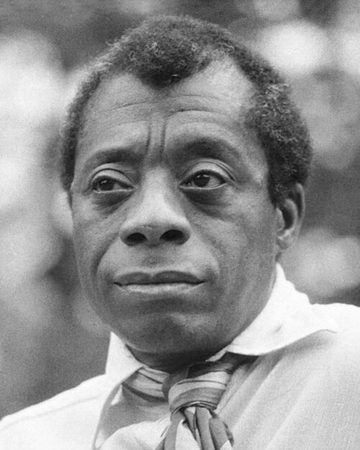
Portrait of James Baldwin
Photo: Allan warren · CC BY-SA 3.0

james baldwin.

James Baldwin

1924–1987 · Novelist, essayist, witness

Born in Harlem, Baldwin wrote about race, faith and desire with a preacher’s cadence and a surgeon’s precision. Go Tell It on the Mountain (1953), Notes of a Native Son (1955) and The Fire Next Time (1963) made him the conscience of the civil rights era — much of it written from France.

Studio mark fire — The Fire Next Time

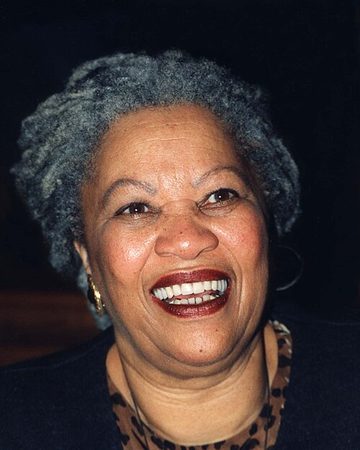
Portrait of Toni Morrison
Photo: John Mathew Smith · CC BY-SA 2.0

toni morrison.

Toni Morrison

1931–2019 · Novelist, editor, Nobel laureate

A Random House editor who wrote her first novel, The Bluest Eye, before dawn while raising two sons. Song of Solomon and Beloved (Pulitzer, 1988) followed, and in 1993 she became the first Black woman to win the Nobel Prize in Literature.

Studio mark house — Beloved

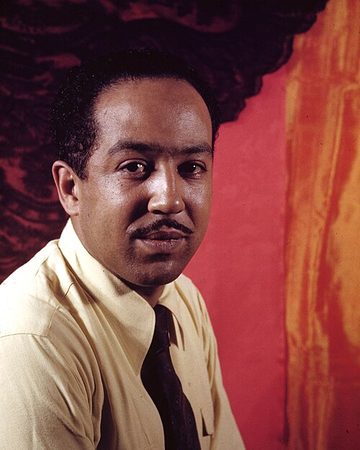
Portrait of Langston Hughes
Photo: Carl Van Vechten · Public domain

langston hughes.

Langston Hughes

1901–1967 · Poet of the Harlem Renaissance

Hughes carried the rhythms of jazz and the blues onto the page. “The Negro Speaks of Rivers,” written as a teenager on a train over the Mississippi, and The Weary Blues (1926) made him the leading voice of the Harlem Renaissance — a poet for working people, not salons.

Studio mark river — “The Negro Speaks of Rivers”

DC thread Worked as a busboy at DC’s Wardman Park Hotel in 1925, where he famously left poems beside Vachel Lindsay’s plate.

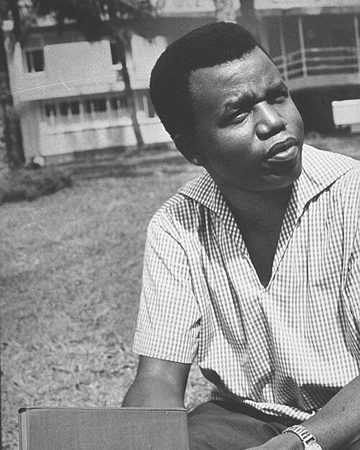
Portrait of Chinua Achebe
Photo: Carlo Bavagnoli · Public domain

chinua achebe.

Chinua Achebe

1930–2013 · Novelist, critic

Things Fall Apart (1958) told the story of colonialism from inside an Igbo village, and it became the most widely read African novel in the world, translated into more than 50 languages. His essay on Conrad’s Heart of Darkness changed how the West reads its own classics.

Studio mark mask — Things Fall Apart

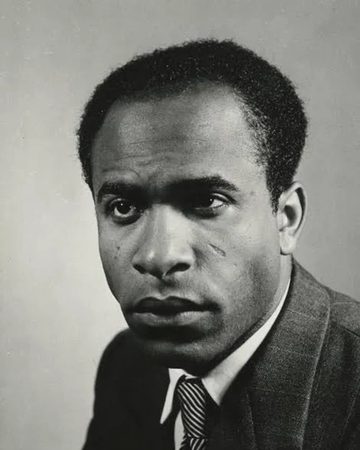
Portrait of Frantz Fanon
Photo: Unknown · Public domain

frantz fanon.

Frantz Fanon

1925–1961 · Psychiatrist, philosopher of decolonization

Born in Martinique and taught by Aimé Césaire, Fanon fought for the Free French, trained as a psychiatrist, and joined Algeria’s fight for independence. Black Skin, White Masks (1952) and The Wretched of the Earth (1961) still shape how the world thinks about colonialism and the mind.

Studio mark skin — Black Skin, White Masks

DC thread Died at 36 at the NIH hospital in Bethesda, Maryland, just outside DC.

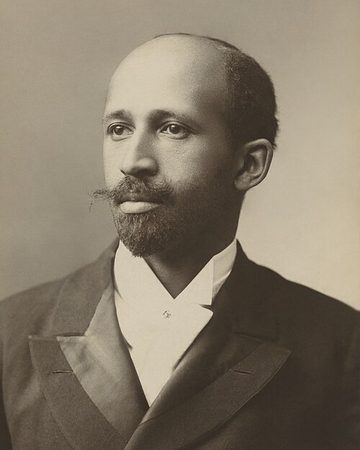
Portrait of W.E.B. Du Bois
Photo: James E. Purdy / Adam Cuerden · Public domain

web du bois.

W.E.B. Du Bois

1868–1963 · Sociologist, historian, co-founder of the NAACP

The first African American to earn a Harvard PhD. The Souls of Black Folk (1903) gave us “the veil” and “double consciousness,” and warned that the problem of the twentieth century was “the color-line.” He co-founded the NAACP and edited its magazine, The Crisis, for 24 years.

Studio mark veil — The Souls of Black Folk

DC thread Died in Ghana on August 27, 1963 — the night before the March on Washington, where the crowd paused to honor him.

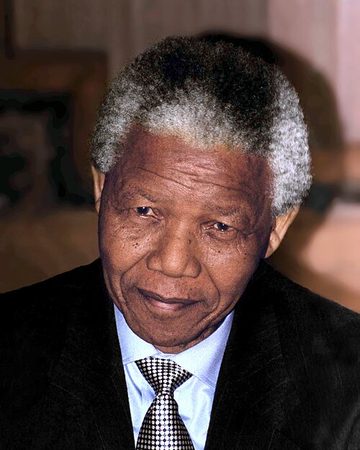
Portrait of Nelson Mandela
Photo: Kingkongphoto & celebrity-photos.com · CC BY-SA 2.0

nelson mandela.

Nelson Mandela

1918–2013 · Freedom fighter, president of South Africa

Imprisoned for 27 years by the apartheid state, 18 of them on Robben Island, Mandela walked out in 1990 without bitterness and negotiated the end of apartheid. He shared the 1993 Nobel Peace Prize and became South Africa’s first Black president in 1994.

Studio mark cell — Robben Island

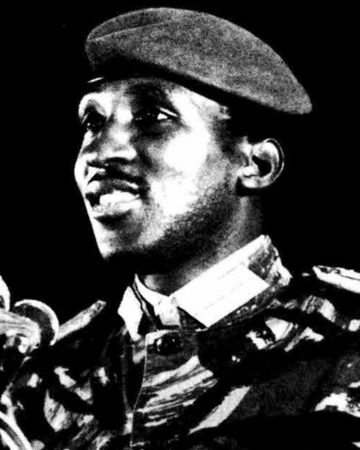
Portrait of Thomas Sankara
Photo: The Militant/ Ernest Harsch · Public domain

thomas sankara.

Thomas Sankara

1949–1987 · Revolutionary president of Burkina Faso

An army captain who took power at 33, Sankara renamed Upper Volta “Burkina Faso” — the land of upright people. He vaccinated millions of children, planted millions of trees, banned forced marriage and sold off the government’s fleet of Mercedes. He was killed in the 1987 coup, at 37.

Studio mark beret — the uniform

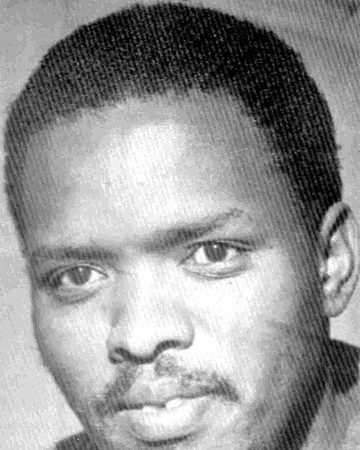
Portrait of Steve Biko
Photo: Cape Argus · Public domain

steve biko.

Steve Biko

1946–1977 · Founder of the Black Consciousness Movement

Biko told young South Africans that “the most potent weapon in the hands of the oppressor is the mind of the oppressed.” He co-founded the South African Students’ Organisation and wrote under the name Frank Talk. His death in police custody at 30 turned the world against apartheid.

Studio mark fist — Black Consciousness

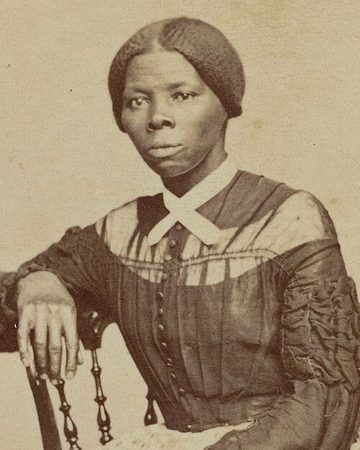
Portrait of Harriet Tubman
Photo: Benjamin F. Powelson · Public domain

harriet tubman.

Harriet Tubman

c. 1822–1913 · Abolitionist, Underground Railroad conductor

Born enslaved on Maryland’s Eastern Shore, Tubman escaped in 1849 and went back roughly 13 times, guiding about 70 people north by the stars. In the Civil War she scouted and spied for the Union and led the Combahee River Raid, which freed more than 700 people.

Studio mark star — the North Star

DC thread Born and enslaved in Dorchester County, Maryland, a short drive from DC.

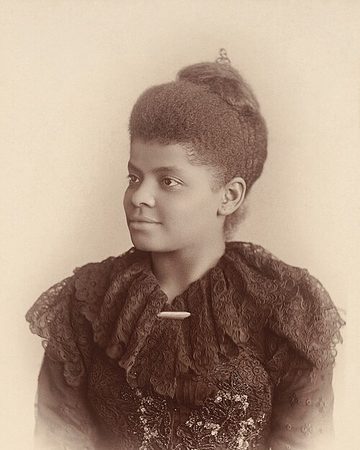
Portrait of Ida B. Wells
Photo: Adam Cuerden · Public domain

ida b wells.

Ida B. Wells

1862–1931 · Investigative journalist, anti-lynching crusader

Born enslaved in Mississippi, Wells co-owned the Memphis Free Speech and used hard data to expose lynching as terror. A mob destroyed her press in 1892; she kept publishing from the North. A founder of the NAACP, she received a posthumous Pulitzer citation in 2020.

Studio mark press — the Free Speech

DC thread At the 1913 suffrage parade on Pennsylvania Avenue, she refused to march at the back and joined the Illinois delegation.

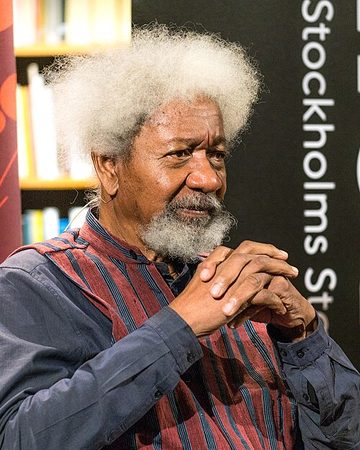
Portrait of Wole Soyinka
Photo: Frankie Fouganthin · CC BY-SA 4.0

wole soyinka.

Wole Soyinka

born 1934 · Playwright, poet, Nobel laureate

In 1986 Soyinka became the first African to win the Nobel Prize in Literature. Jailed for nearly two years during Nigeria’s civil war, he wrote on scraps and later published The Man Died. Death and the King’s Horseman fuses Yoruba myth with modern stagecraft.

Studio mark mask — Yoruba theater

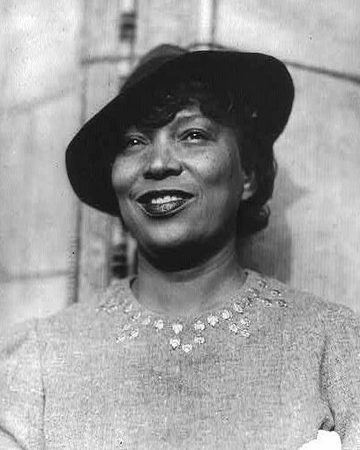
Portrait of Zora Neale Hurston
Photo: Unknown · Public domain

zora neale hurston.

Zora Neale Hurston

1891–1960 · Novelist, folklorist, anthropologist

Raised in Eatonville, Florida, one of America’s first all-Black towns, Hurston studied anthropology under Franz Boas and collected Black folklore across the South. Their Eyes Were Watching God (1937) was nearly forgotten until Alice Walker found and marked her grave in 1973.

Studio mark porch — Eatonville

DC thread Studied at Howard University in DC and helped found its student newspaper, The Hilltop.

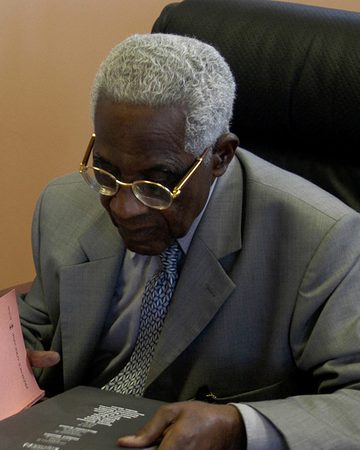
Portrait of Aimé Césaire
Photo: Jean Baptiste Devaux · CC BY-SA 4.0

aimé césaire.

Aimé Césaire

1913–2008 · Poet, politician, co-founder of Négritude

With Léopold Senghor and Léon Damas, Césaire founded the Négritude movement in 1930s Paris. Notebook of a Return to the Native Land is a volcanic long poem; Discourse on Colonialism is a scalpel. He was mayor of Fort-de-France, Martinique, for 56 years — and Fanon’s teacher.

Studio mark volcano — Notebook of a Return

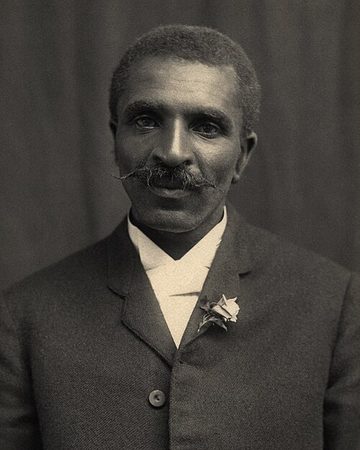
Portrait of George Washington Carver
Photo: Adam Cuerden · Public domain

george w. carver.

George Washington Carver

c. 1864–1943 · Agricultural scientist, inventor

Born enslaved in Missouri, Carver became the first Black student at Iowa State, then spent nearly 50 years at Tuskegee teaching poor Southern farmers to rotate crops and rebuild exhausted soil — and finding hundreds of uses for peanuts and sweet potatoes.

Studio mark peanut — the lab

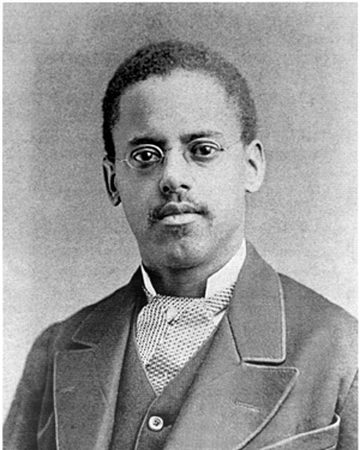
Portrait of Lewis Latimer
Photo: Unknown · Public domain

lewis latimer.

Lewis Latimer

1848–1928 · Inventor, draftsman

The son of people who escaped slavery, Latimer taught himself mechanical drawing and drafted the patent drawings for Alexander Graham Bell’s telephone. He then patented a better way to make carbon filaments, installed electric lighting in New York, Philadelphia and London, joined Edison’s legal team as an expert witness, and wrote one of the first books on electric light.

Studio mark filament — the carbon bulb